End-to-End Testing for Microservices: What Works (2026)
Discover practical end-to-end testing strategies for microservices including synthetic transactions, test environment management, service virtualization, and CI/CD integration.
Insights on API testing, shift-left, no-code automation, and CI/CD.
Discover practical end-to-end testing strategies for microservices including synthetic transactions, test environment management, service virtualization, and CI/CD integration.
API testing vs UI testing is not an either-or choice — but the order matters enormously. Testing your API layer first (the shift-left principle) catches the majority of application bugs faster, cheaper, and with far less test maintenance than UI-first strategies. This guide explains why API testing should lead your quality strategy.

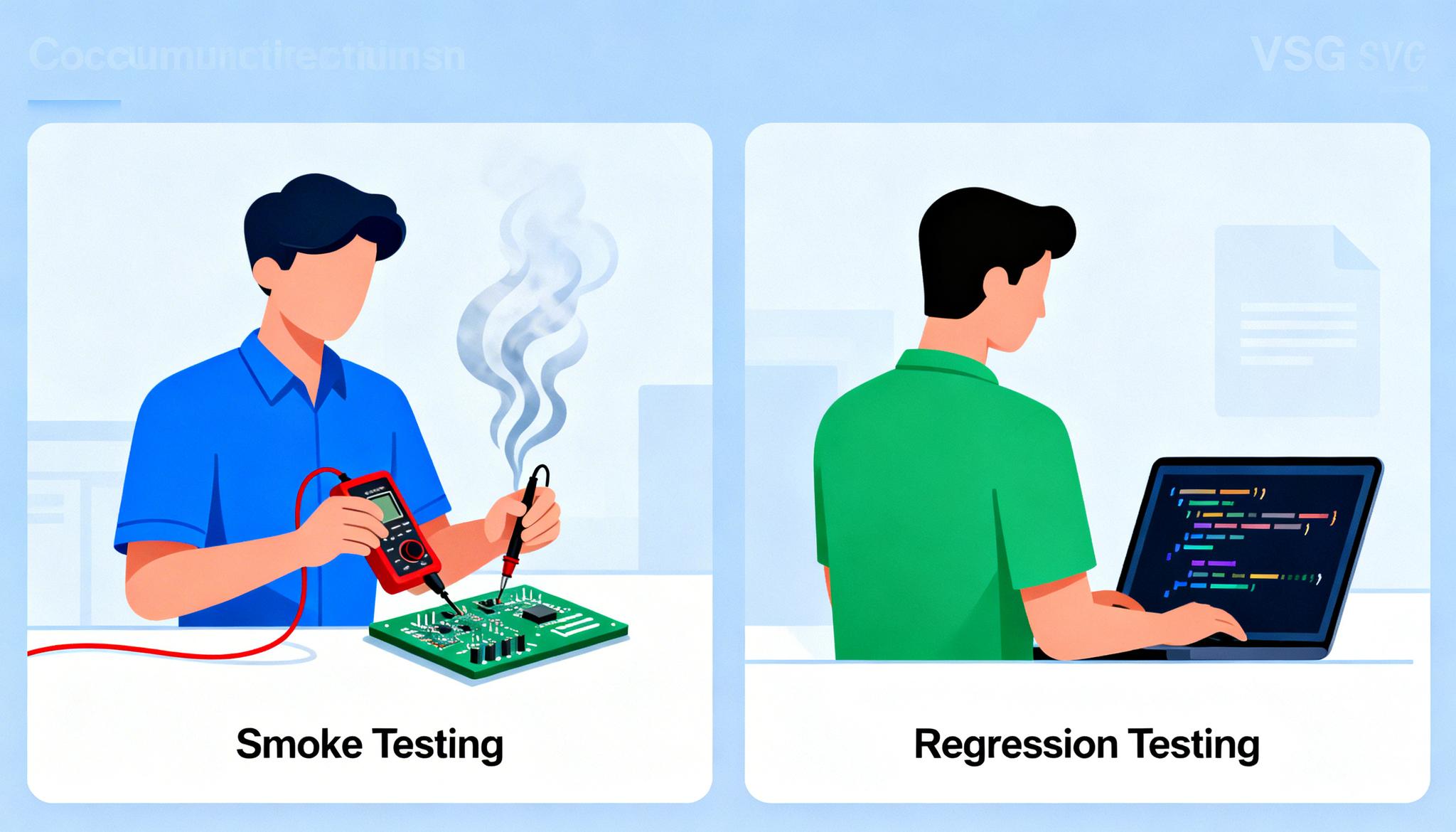
Smoke testing and regression testing serve distinct purposes in the CI/CD pipeline: smoke tests verify that a build is stable enough to test further, while regression tests verify that existing functionality was not broken by recent changes. Understanding when to run each—and how to automate both—is essential for teams aiming for continuous delivery at high confidence.
Learn how to build an enterprise testing strategy that scales quality across dozens of teams. Covers governance, shared platforms, API testing automation, test management RACI, test data patterns, and metrics for large organizations.
Twelve REST API testing best practices for enterprise teams in 2026 — schema validation against OpenAPI, authentication across enterprise IdPs, negative and boundary testing, data-driven coverage, audit-ready evidence, and CI/CD automation. Worked examples for each pattern.

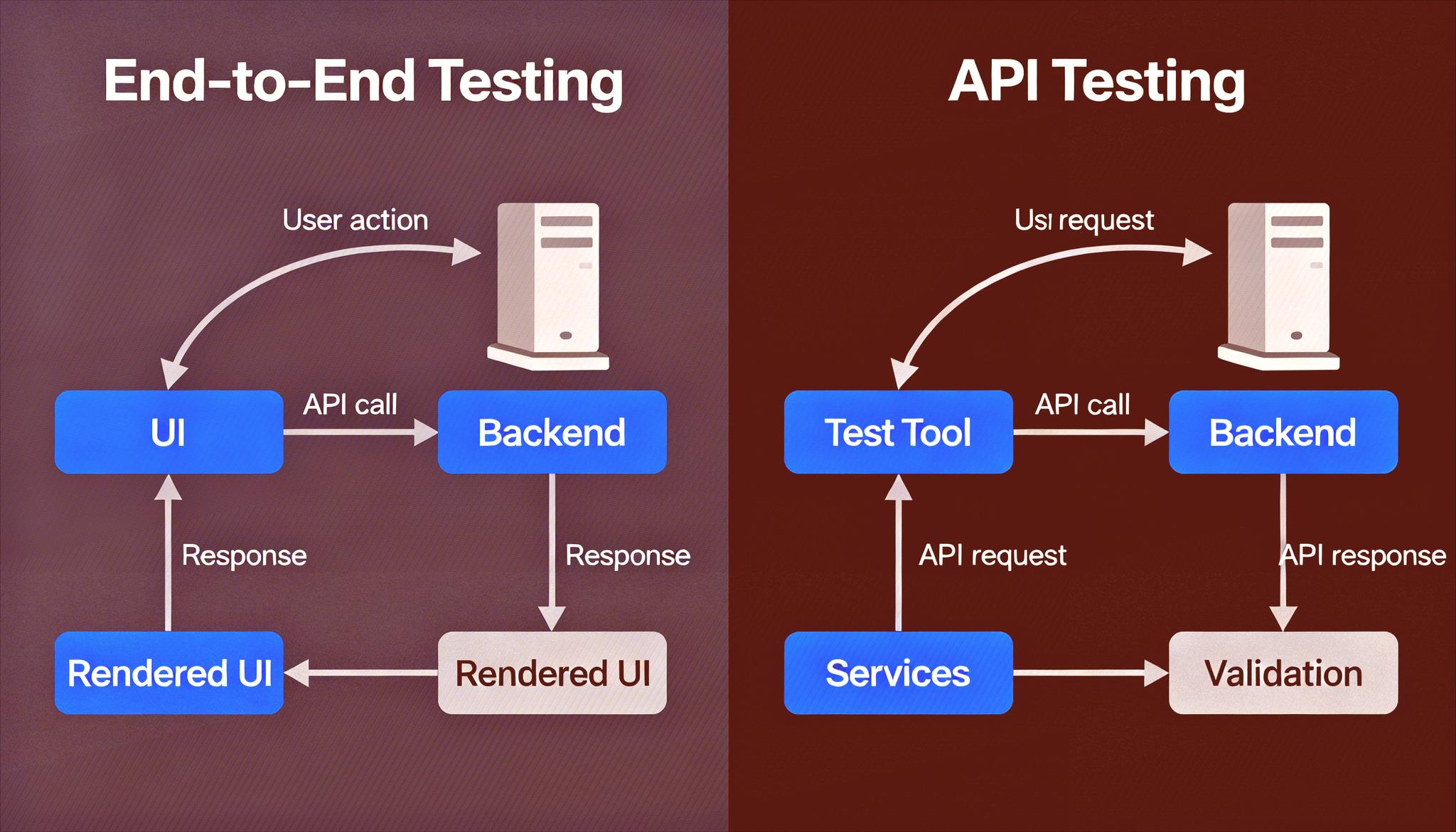
End-to-end testing and API testing both validate that software works correctly, but they operate at different layers, speeds, and costs. The evidence strongly favors API testing as the primary investment: faster, cheaper, more reliable, and catching 80-90% of defects before they require expensive UI reproduction. This guide provides a comparison table and makes the case for an API-first testing strategy.
Fault injection testing deliberately introduces failures into software systems to verify resilience. Learn fault injection methods, tools like Gremlin and Toxiproxy, and how to systematically harden microservices against real-world failure scenarios.
Explore how AI is transforming software testing—from autonomous test generation and self-healing tests to predictive quality analytics and AI pair testers. Learn what the next 5 years hold for QA professionals and testing strategy.

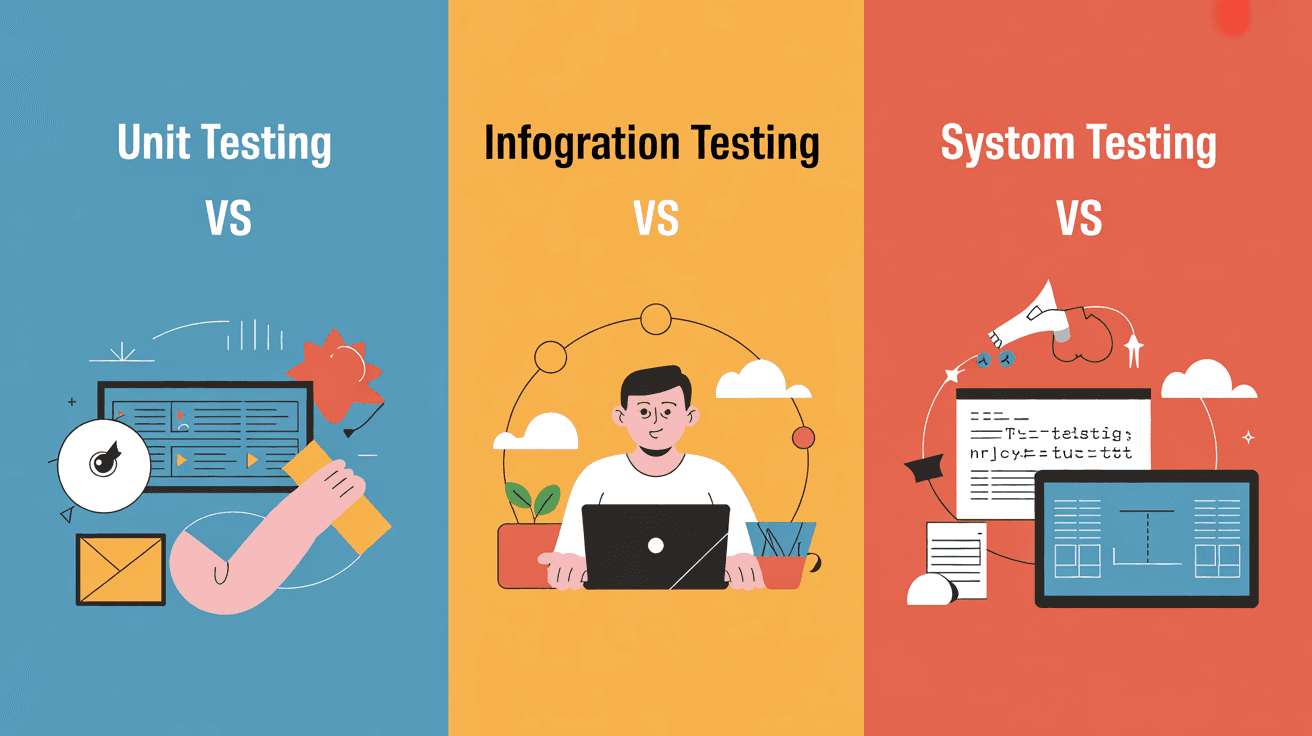
Unit testing, integration testing, and system testing form the three primary layers of the test pyramid—each catching a different category of defects at a different scope and cost. This guide explains all three with a three-way comparison table, testing pyramid visualization, and guidance on where Total Shift Left automates the API/integration layer for modern software teams.